



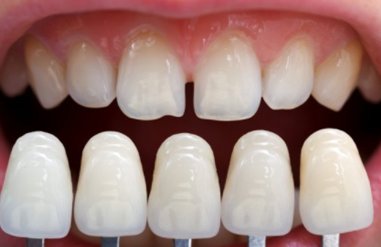
Restorative dentistry aims to replace missing teeth or repair damaged ones so you can maintain a healthy, functioning smile. Restorative dentistry involves procedures like implants, dentures, bridges, crowns, and fillings, which general dentists perform. You can be a candidate for this procedure if you have permanent adult teeth that are missing, decayed, or damaged. Our dental professionals will evaluate your oral condition thoroughly during your routine dental checkup. We will then develop a treatment plan designed to fit your oral health requirements.
Restorative dentistry has the following benefits:
- It can have long-lasting results with proper oral hygiene habits and routine visits to your dental professional
- Preserve jaw bone density
- Prevent further dental problems
- Comfort and convenience
- Enhances aesthetics
- Eliminates pain
- Improves oral function
Different types of materials are used in restorative dentistry, depending on the procedure. The common materials include:
- Denture base resins
- Glass ionomers
- Polymers
- Amalgam
- Metals
- Composites, and
- Ceramics
However, there are some risks linked with restorative dentistry. Tooth sensitivity is one of the common risks, which tends to resolve shortly after a restorative dentistry procedure. Sometimes, you can experience an infection or allergic reaction to a dental material used. A restoration can also become cracked or loose. If this happens, you should notify your dental professional immediately.
